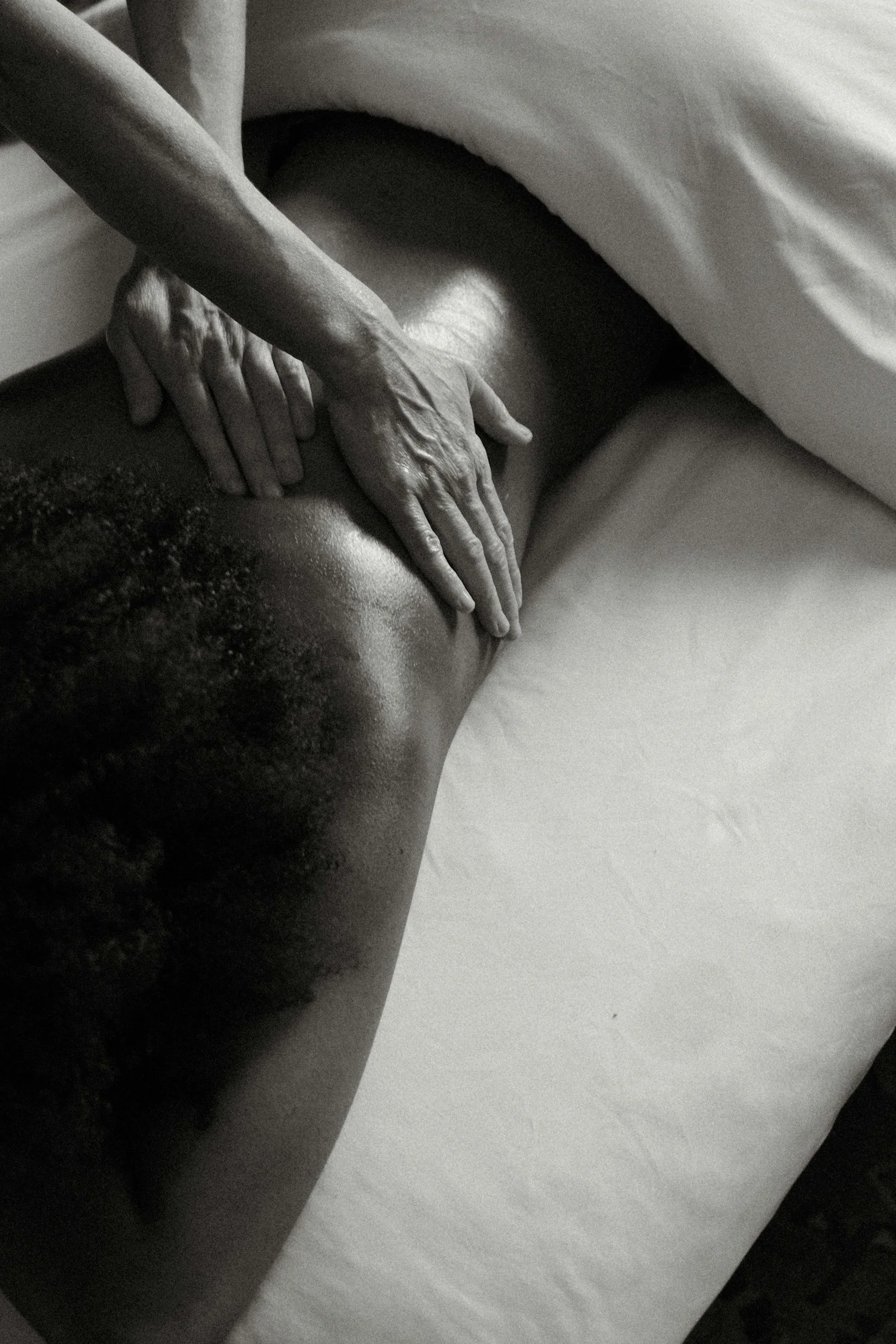
Manual Lymphatic Drainage
(Vodder Method)
Vodder Manual Lymphatic Drainage is a gentle form of bodywork that supports the lymphatic system, a key component in fluid balance, immune response, and tissue health.
The work focuses on encouraging lymphatic flow through light, rhythmic touch, supporting the body’s natural processes of circulation, drainage, and regulation.
Origins
Manual Lymphatic Drainage according to the Vodder Method was developed in the 1930s by Emil Vodder and Estrid Vodder.
The practice arose from close observation of the lymphatic system and from the need to work with the body’s fluids through light, rhythmic, and precise touch, distinct from the deep massage techniques common at the time.
Over time, the Vodder Method became a specific and codified approach, transmitted through dedicated training and careful hands-on practice.
The Practice
The practice involves very light, repetitive movements applied in specific sequences along lymphatic pathways.
Unlike deeper bodywork techniques, this practice works at the level of the skin and superficial tissues, respecting the sensitivity and rhythm of the lymphatic system.
The touch is slow, intentional, and non-invasive, designed to support fluid movement without pressure or force.
How sessions are held
Sessions are held in a quiet and contained manner.
Pace is slow and adapted to individual response, with attention to contact quality and overall regulation.
Sessions are typically experienced as deeply relaxing, though the effects are primarily functional rather than sensory.
For cumulative and lasting results, sessions are offered in cycles, typically ten sessions spaced regularly over several weeks.
What this work may support
Vodder Manual Lymphatic Drainage may support lymphatic circulation and fluid movement, contributing to a reduction in swelling and fluid retention and a greater sense of lightness in the tissues; many people notice an improvement in how their legs feel by the end of the day, in facial puffiness, and in the general quality of tissue tone throughout the body.
The practice also supports skin clarity and responsiveness, improved microcirculation and reduced fluid stagnation allow the skin to regain a healthier quality over the course of a cycle; this tends to arrive gradually rather than immediately.
Beyond the directly physical, the work supports nervous system regulation in a distinctive way; the quality of relaxation produced by sustained rhythmic contact of this kind is different from what deeper bodywork typically provides: stiller, more internal, and often more lasting. Many people notice improved sleep and a reduction in the physical expression of stress and chronic fatigue across a cycle.
This work is often sought in situations involving oedema, post-surgical or post-trauma recovery, chronic fluid congestion, recurrent allergies, disturbed sleep, and periods when the lymphatic system may be under increased load, such as pregnancy, prolonged inactivity, or illness. It is sometimes used to accompany the healing of bruises and scars, and to ease sensations of heaviness or discomfort.
Effects are not standardised or guaranteed and vary depending on the individual and the consistency with which the work is received.
Considerations
This work may be appropriate if you are seeking gentle, non-invasive support for lymphatic circulation and fluid balance.
This work may not be appropriate in cases of acute infection or fever, active cancer treatment, untreated cardiac conditions, or deep vein thrombosis.
If you have a condition affecting the lymphatic system or are under medical supervision, please consult your doctor before booking and mention this when you get in touch.
Practical details
Sessions are offered one-on-one, in person.
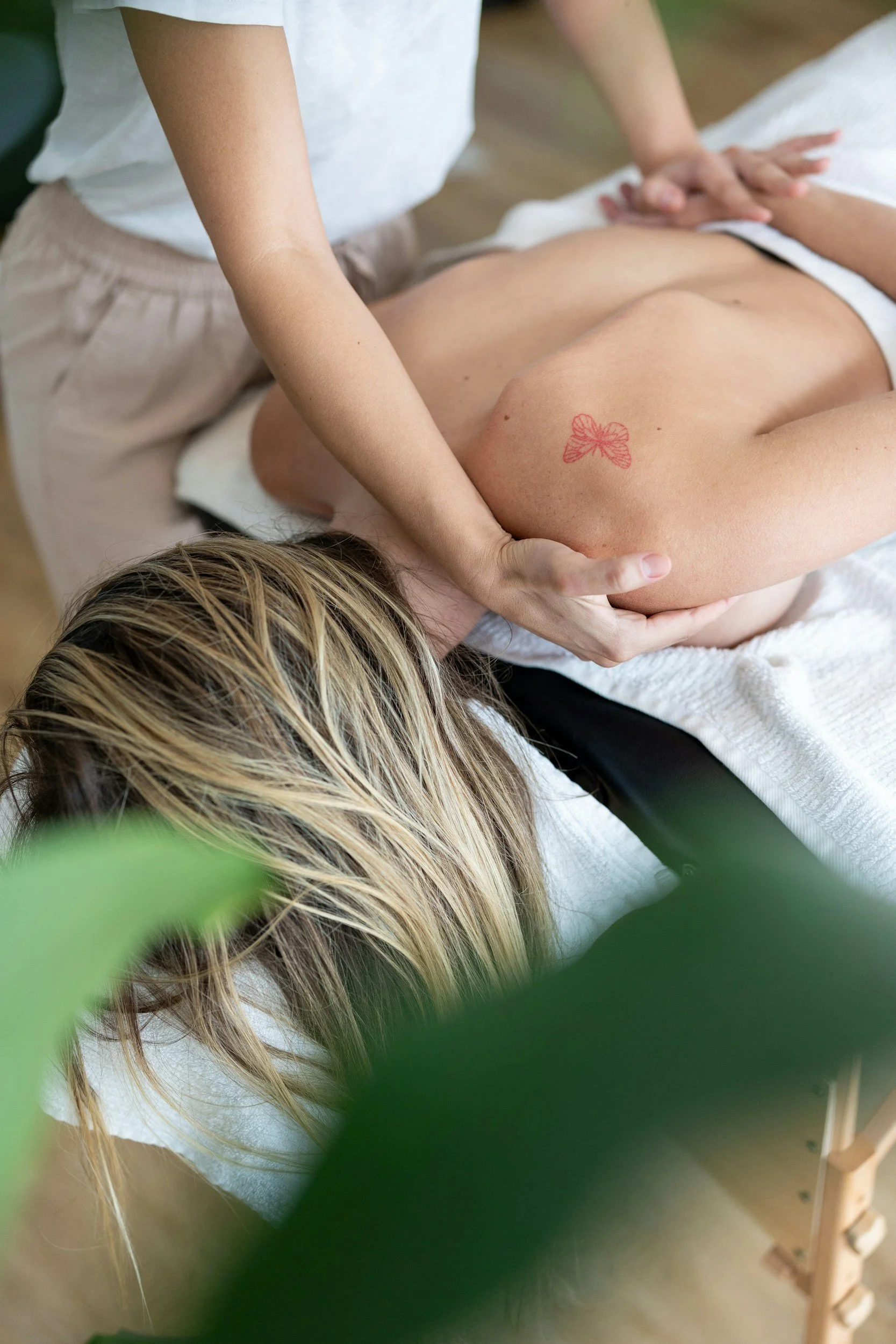
No oils or creams are used, the work is applied directly through light clothing or with appropriate draping.
How to begin
An initial conversation is recommended before beginning a cycle, to understand what you are carrying and whether this is the right approach for you at this time. You can reach out to arrange this, or book directly if you already have a clear sense of what you need.
Frequently Asked Questions
-
This work may be relevant if you carry a persistent sense of heaviness, puffiness, or fluid retention that doesn't seem to resolve in the legs, the face, the abdomen, or throughout the body generally.
It is also relevant during or after periods of significant physical demand: post-surgical recovery, illness, prolonged inactivity, or any situation where the lymphatic system has been under increased load.
It tends to suit those who need something gentle and non-invasive, either because stronger touch is not appropriate at this time, or because what they are carrying calls for a different quality of contact.
Sensitivity to touch, a history of oedema or lymphatic issues, or a general sense of systemic congestion that hasn't responded to other approaches are all common reasons people come to this work.
The effects build across a cycle of ten sessions. A single session can offer noticeable relief, but the lasting shift, in tissue quality, in fluid balance, in how the body feels from the inside, comes with consistency over time.
-
Sessions are quiet, slow, and contained, you are guided into a position of ease at the start and the work unfolds from there.
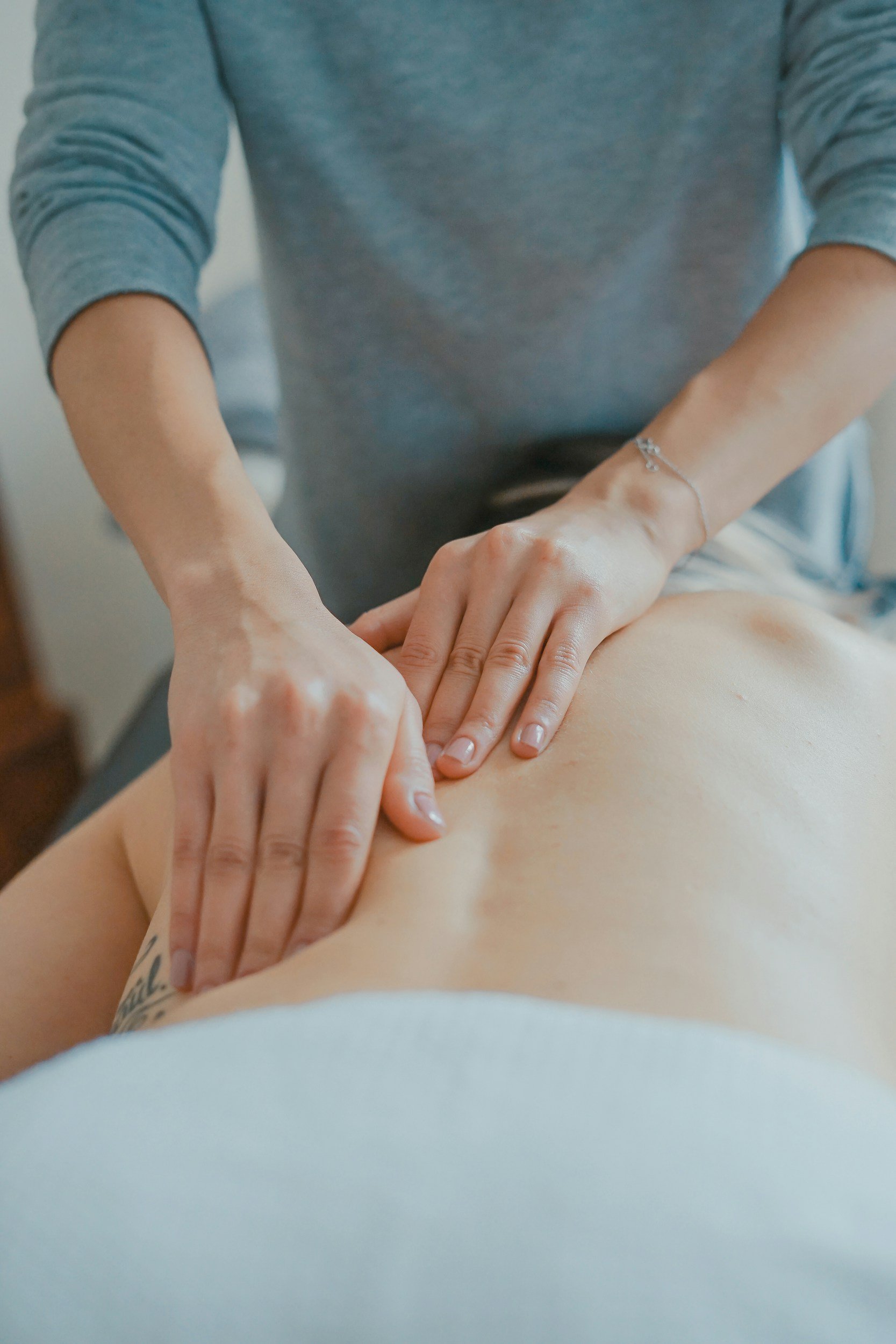
Touch is very light, lighter than most people expect; the Vodder method works at the level of the skin and superficial tissues, using slow, rhythmic strokes that follow the direction of lymphatic flow; there is no pressure and no oil; the rhythm is deliberate and repetitive, which tends to produce a quality of deep relaxation fairly quickly, some people often fall asleep.
Sessions are held in silence, there is no guidance or instruction during the work; if something becomes uncomfortable, you can say so, otherwise the work proceeds quietly from beginning to end.
Each session builds on the one before; what the body releases in session seven is often not available in session two, the lymphatic system responds to consistency and to the cumulative signal of repeated, attentive contact.
-
After a lymphatic drainage session, the most common experience is a quality of lightness, a sense that the tissues have more room, that something which was congested has begun to move; some people notice this immediately, for others it arrives in the hours that follow.
Mild fatigue after a session is normal and reflects the body doing active work internally.
Drinking water in the hours after supports the drainage process and helps the body move what has been mobilised, rest where possible.
As the cycle progresses, the effects tend to become more sustained: the puffiness that returned within a day or two after early sessions may take longer and longer to return, until, for many people, it resolves more permanently; the skin may also clarify and feel more responsive over the course of a cycle.
-
Sessions are 50 minutes. This length is consistent across the cycle, which allows the body to settle into a predictable rhythm of work and integration between sessions.
-
A full cycle is 10 sessions. This is the minimum needed for cumulative work to take meaningful effect: the body releases gradually, and what shifts in session eight is often not available in session two.
After a cycle, there is a natural pause to assess what has changed. Many people then rest for a few months before beginning another cycle, sometimes rotating between Marma and Lymphatic Drainage depending on what the body needs next.
-
Sessions within a cycle are typically spaced once or twice a week. This rhythm allows the body enough time to integrate between sessions while maintaining continuity. Spacing sessions too far apart, more than two weeks, tends to interrupt the cumulative effect.
The pace will be discussed when the cycle begins and can be adjusted based on your schedule and how the body is responding.
-
Yes, Marma and Lymphatic Drainage can complement other therapeutic approaches. Many people combine a slow build cycle with occasional Deep reset sessions, or with a meditation or yoga practice. It is worth mentioning any other treatments you are receiving so the work can be held with that in mind.
-
You will be partially clothed and draped appropriately for each session. Loose, comfortable clothing is easiest to work with. You will always be told what to expect before you arrive so there are no surprises.
-
An initial meeting is recommended before beginning a cycle, to understand what you are carrying and whether this is the right approach for you at this time.
From there, sessions are scheduled at a regular pace to allow the work to build consistently. You can reach out to arrange an initial conversation, or book directly if you already have a sense of what you need.